


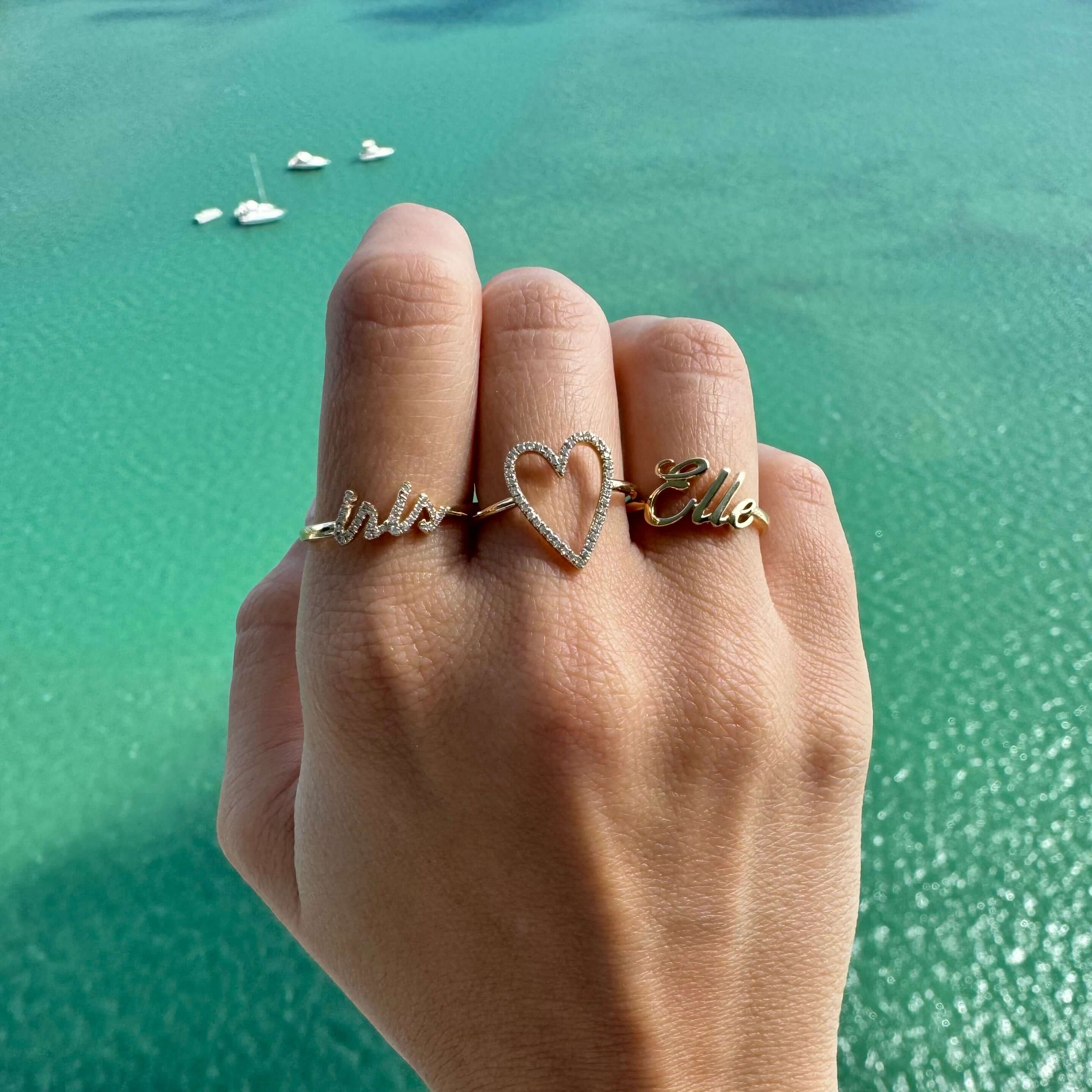
When you buy gold jewelry, the karat stamp tells you one thing: how pure the gold is. That single number affects the color, durability, and price of every piece — and knowing what it means will make you a smarter buyer.
What Does Karat Mean?
Karat (abbreviated "K" or "kt") measures the ratio of pure gold to alloy metals in a piece of jewelry. Pure gold is 24 karats. But pure gold is too soft for everyday jewelry — it scratches and bends easily — so it is mixed with other metals (copper, silver, zinc, palladium) to add strength and adjust color.
- 24K = 99.9% gold. Almost never used for wearable jewelry because it is too soft.
- 18K = 75% gold, 25% alloy.
- 14K = 58.3% gold, 41.7% alloy.
- 10K = 41.7% gold, 58.3% alloy.
10K Gold
10K is the minimum gold content that can legally be sold as "gold" in the United States. At 41.7% gold, the alloy content is higher than the gold content — which gives it advantages and disadvantages.
Pros: Most affordable. Harder and more scratch-resistant than higher-karat gold because of the higher alloy content.
Cons: Lower gold percentage means it can cause skin reactions in some people sensitive to the alloy metals (typically nickel). The color is noticeably lighter or more muted than 14K or 18K. Less valuable as an investment.
Best for: Budget-conscious buyers, children's jewelry, or pieces that take a lot of wear and tear.
14K Gold
14K gold is the most popular choice for fine jewelry in the United States. At 58.3% gold, it strikes the best balance between durability, color, and value.
Pros: More durable than 18K for everyday wear. Richer color than 10K. Resistant to tarnishing. Widely available across all jewelry styles. Less likely than 10K to cause skin reactions.
Cons: Slightly less gold-rich than 18K, so the color is slightly cooler — more of a warm yellow than a deep gold.
Best for: Engagement rings, wedding bands, and any piece that will be worn daily. This is Izakov's primary metal choice for everyday fine jewelry.
18K Gold
At 75% gold, 18K is the preferred choice for high-end fine jewelry and most luxury brands. The higher gold content gives it a noticeably deeper, richer yellow color.
Pros: Richest yellow-gold color. Highest gold content available in wearable jewelry. Hypoallergenic for most wearers because the lower alloy content leaves less room for reactive metals.
Cons: Softer than 14K and more prone to scratching with daily wear. More expensive.
Best for: Special occasion pieces, heirloom jewelry, and anyone who wants the richest possible gold color. Also ideal for those with metal sensitivities.
What About White Gold and Rose Gold?
Karat applies to all gold colors, not just yellow.
White gold is created by alloying yellow gold with white metals — typically palladium or nickel — then plating with rhodium to achieve a bright white finish. A 14K white gold ring is still 58.3% gold; the alloy metals change the color.
Rose gold achieves its warm, pinkish hue through a higher copper content in the alloy. Rose gold does not tarnish and the copper alloy actually makes it slightly more durable than yellow gold at the same karat.
Which Should You Choose?
For daily-wear pieces like engagement rings and stacking rings: 14K gold offers the best balance of beauty, durability, and value.
For a rich, heirloom-quality color and special-occasion pieces: 18K gold is worth the premium.
If you have known metal allergies or sensitivities: choose 18K or confirm with your doctor which metals to avoid.
Browse Izakov Fine Jewelry's gold jewelry collection to see 14K and 18K options across every category.
 Free insured shipping